All young people need support, resources, and skill-building. Young people who are in foster care or have been in it may often need more support. They often face many barriers and may need extra support to find and use resources. It’s important for STAY youth to connect to resources to help them become independent. These resources can look like transportation, affordable and sustainable housing, mental health supports, and information about education after high school.
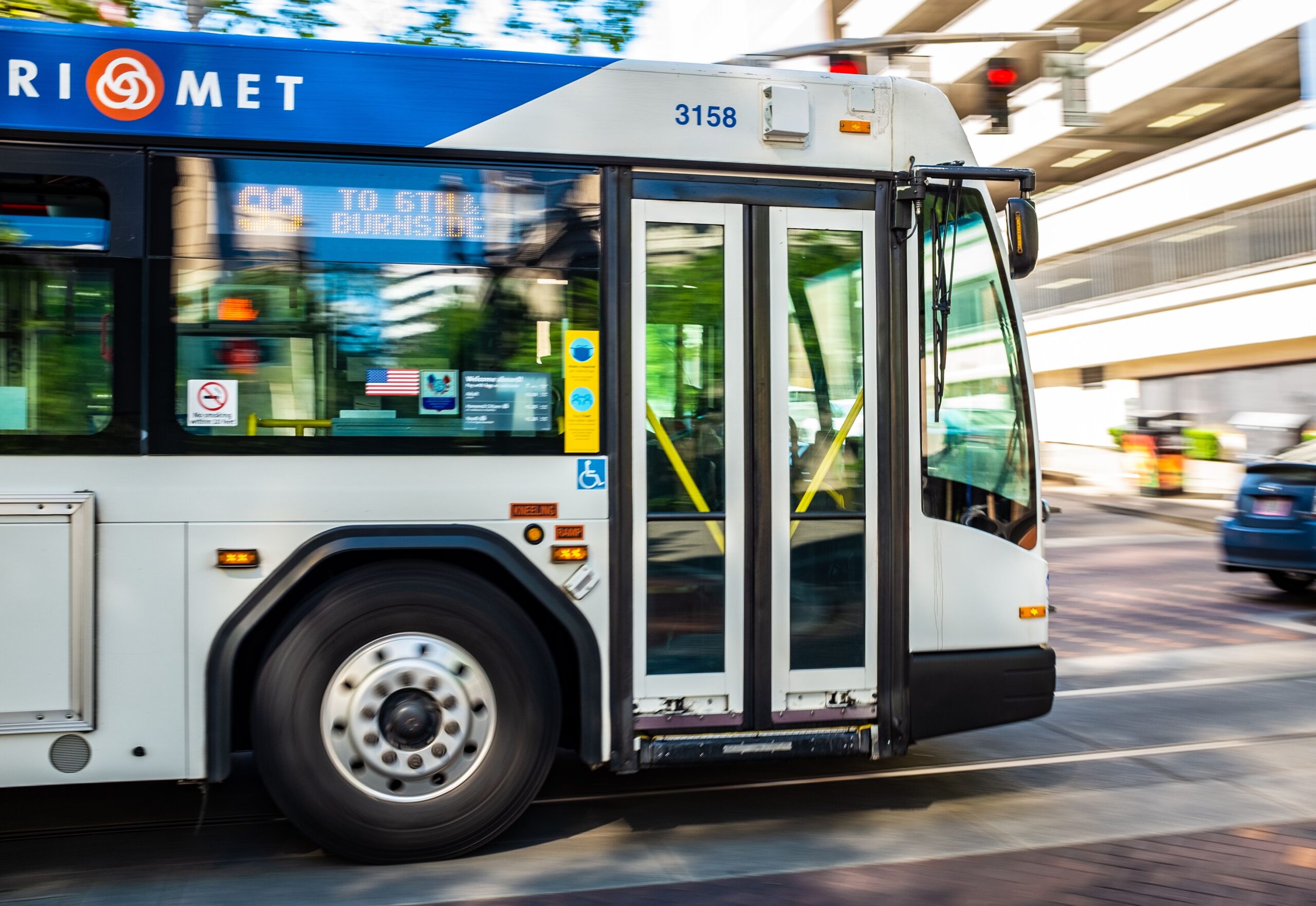
The amount of resources available to STAY youth can affect if and how they reach their milestones. For example, STAY youth who have a smaller support network may know about fewer resources. STAY youth who are low-income may not be able to afford certain things, such as a car. STAY youth in rural areas might have fewer transportation and affordable housing options. One STAY case manager described in an interview:
“Access to transportation is huge. Some youth aren’t interested in getting their license because they can’t get a car anyway. We don’t have Uber or Lyft in our area. If you’re looking for a ride after work, good luck. I see that even in bigger communities—it’s inaccessible or too expensive.” – STAY case manager
STAY case managers know how important it is to connect youth to resources and services and help youth build essential skills. It can be difficult for STAY youth to focus on abstract skills when they are going through something traumatic or demanding. So, STAY case managers work with youth to build skills that create healthy habits. They also focus on breaking old, unhealthy habits that youth learned just to survive. The columns below shows the resources and skills that STAY youth and case managers mentioned in their input.
Resources
- Extended foster care
- Mental health resources
- Housing supports
- Employment resources
- Financial education resources
- Basic needs resources such as food pantries
Skills
- Building financial literacy
- Developing communication skills
- Learning time management
- Building emotional intelligence
- Learning how to maintain a household
- Seeking resources independently
One specific way that youth can access resources is by participating in an Independent Living Skills (ILS) group. ILS groups are key for connecting STAY youth to resources and building essential skills. One STAY youth shared how helpful ILS has been for them:
“I have been to ILS classes, and I also taught a living skills class and was able to learn more about it through teaching it. Since everyone needs the skills one way or another, everyone is learning. Then you can learn from the people in the classes, which I think is really helpful.”
– STAY youth
Connecting to resources and skill building is an important part of STAY youth’s transition to adulthood. STAY case managers, supportive adults, and current services play a huge role in helping STAY youth navigate resources and skill building. STAY youth see this process as important for self-improvement and discovering their best selves. Young people become more independent and can be their best selves when they have the resources and skills they need.